Brake Repairs & Servicing in Gauteng

Your vehicle’s braking system is one of the most critical safety components—and when it comes to brake repairs and servicing in Gauteng, Gauteng AutoClinic is the name you can trust. We offer professional, reliable, and affordable brake system inspections, maintenance, and repairs for all makes and models, petrol and diesel.

Whether you’re experiencing squeaking brakes, a soft brake pedal, or longer stopping distances, our qualified mechanics will diagnose the issue quickly and get you back on the road safely.

Brake Inspection & Diagnosis

    • Full visual and mechanical brake inspection

    • Brake performance and pedal response testing

    • ABS (Anti-lock Braking System) diagnostics

    • Brake fluid level and contamination checks

Brake Component Repairs & Replacement

  • Brake pad replacement (front and rear)

  • Brake disc (rotor) skimming or replacement

  • Brake shoe and drum servicing

  • Brake caliper repair or replacement

  • Wheel cylinder repair or replacement

  • Handbrake system servicing and cable adjustments

Brake Fluid Service

  • Brake fluid flush and refill

  • Leak detection in brake lines and master cylinder

  • Pressure testing for hydraulic brake performance

Advanced Brake System Servicing

  • ABS system repairs

  • Electronic Parking Brake (EPB) servicing

  • Brake sensor replacement

  • High-performance brake upgrades

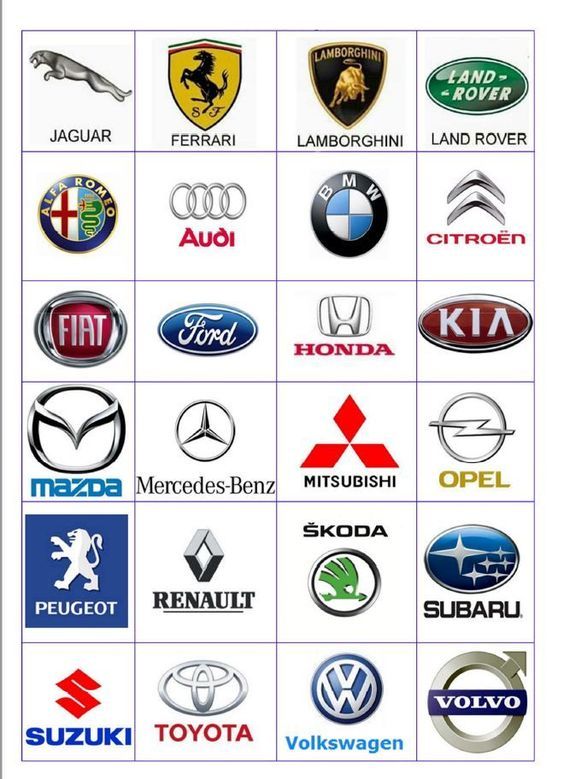
Vehicle Brands We Service at Gauteng AutoClinic

At Gauteng AutoClinic, we proudly service and repair all major vehicle brands commonly found on South African roads. Whether you drive a compact city car, a luxury SUV, a family sedan, or a rugged bakkie, our certified mechanics are fully equipped to handle it. We specialize in both petrol and diesel vehicles, offering expert diagnostics, servicing, engine repairs, gearbox work, aircon servicing, and more.

We use quality parts and brand-specific service procedures to ensure every vehicle is treated with care and precision.

Signs You Need Brake Repairs

  • Squealing, grinding, or clicking noises when braking

  • Brake warning light on dashboard

  • Vibration or pulsing when braking

  • Soft, spongy, or low brake pedal

  • Car pulling to one side while braking

  • Burning smell during or after braking

  • Longer stopping distances

Our Customers Feedback

FAQs About Brake Repairs & Servicing

1. How do I know if my brakes need to be repaired?

Common signs include squealing or grinding noises, longer stopping distances, a spongy brake pedal, or vibration when braking.

2. How often should brakes be serviced?

Generally, brakes should be inspected every 10,000 km and serviced every 20,000–30,000 km depending on your driving style.

3. What causes brakes to squeal or squeak?

This usually happens when brake pads are worn out or contaminated with dust, dirt, or moisture.

4. What is included in a full brake service?

A full service includes inspection, brake pad/disc replacement, brake fluid check or flush, and caliper or handbrake adjustment.

5. Can I drive with worn brake pads?

It’s not safe. Worn pads can damage discs and reduce braking efficiency, leading to dangerous driving conditions.

6. How long do brake pads last?

Typically between 30,000 and 70,000 km depending on usage, terrain, and driving habits.

7. What is brake fluid, and why is it important?

Brake fluid transmits pressure from the pedal to the brake components. If it’s old or contaminated, braking becomes less effective.

8. When should brake fluid be changed?

Brake fluid should be flushed every 2 years or 40,000 km to maintain braking performance.

9. What’s the difference between disc and drum brakes?

Disc brakes use pads and rotors, while drum brakes use shoes and drums. Discs are more common and offer better performance.

10. Why is my brake warning light on?

It could indicate low brake fluid, worn pads, or a fault in the ABS system. You should get it inspected immediately.

11. What happens if I ignore brake issues?

Ignoring brake problems can lead to complete brake failure, increased repair costs, and road safety risks.

12. Do you replace brake pads and discs together?

If the discs are worn or scored, we recommend replacing both to ensure smooth and effective braking.

13. Can worn brakes affect fuel efficiency?

Yes, faulty brakes can create drag or uneven stopping, leading to extra engine strain and fuel consumption.

14. What causes the car to pull to one side while braking?

It may be due to uneven brake pad wear, a seized caliper, or brake fluid imbalance.

15. How long does a brake repair take?

Most brake pad and disc replacements take 1–2 hours, depending on the vehicle type.
 

16. Is it necessary to resurface or skim brake discs?

Yes, if the discs are slightly warped or uneven, skimming helps restore proper braking surface.

17. What is brake bleeding?

It’s the process of removing air bubbles from the brake lines to ensure consistent hydraulic pressure.

18. Can I replace brake pads myself?

It’s possible, but it’s safer and more reliable to let certified technicians handle brake repairs professionally.

19. What’s the cost of brake repairs?

Costs vary by vehicle model, the extent of wear, and parts required. We offer upfront quotes with no hidden fees.

20. Do you use OEM or aftermarket brake parts?

We use high-quality OEM and premium aftermarket parts to ensure reliability and safety.

21. Do you offer brake services for all car brands?

Yes, we service all makes and models including Toyota, VW, BMW, Mercedes, Ford, Hyundai, Kia, and more.

22. Can worn brakes damage other car parts?

Yes, damaged pads can wear out rotors, calipers, and wheel bearings, increasing repair costs.

23. What is ABS and how does it affect braking?

ABS (Anti-lock Braking System) prevents wheel lock-up during emergency braking, improving control and reducing stopping distances.

24. How do I know if my ABS is faulty?

An ABS warning light or locking brakes during hard stops are indicators. Diagnosis is essential.

25. Is brake servicing different for petrol and diesel vehicles?

The process is mostly the same, but diesel vehicles may have heavier components and different hydraulic needs.

26. What are high-performance brake upgrades?

Upgrades may include slotted rotors, ceramic pads, or braided brake lines for improved braking in high-demand situations.

27. Can you service the handbrake system too?

Yes, we repair and adjust both manual and electronic handbrake systems.

28. What causes vibrations when braking?

Warped brake discs, uneven pad wear, or improper installation are common causes.

29. Do you check brakes during routine vehicle services?

Yes, every minor and major service includes a comprehensive brake system check.

30. How can I book a brake inspection in Gauteng?

Simply call, email, or WhatsApp Gauteng AutoClinic to book your inspection or repair appointment.

Gauteng AutoClinic is your trusted local auto workshop, offering professional car repairs, vehicle servicing, and diagnostics across all areas of Gauteng. Our certified mechanics specialize in both petrol and diesel vehicles, handling everything from engine rebuilds to gearbox repairs, brake servicing, suspension repairs, and more—for all makes and models.

Work Hours

© 2025 Gauteng AutoClinic. All Rights Reserved